
Airlines around the world have announced further adjustments to their flight schedule as the US-Israel-Iran war escalates.
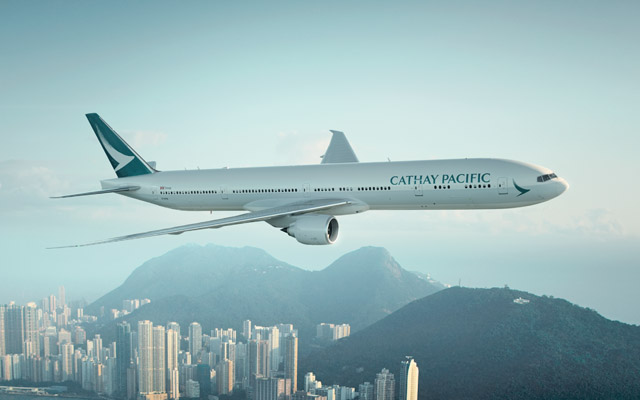
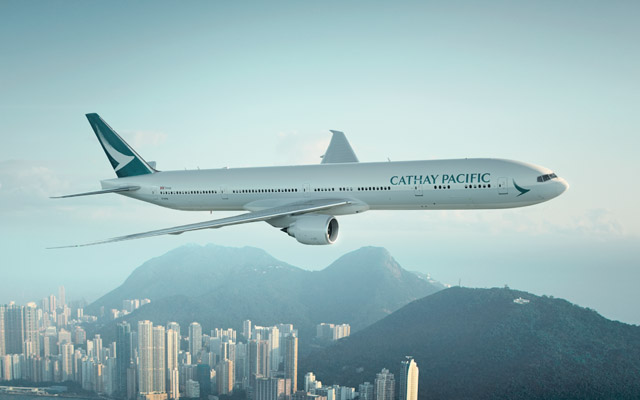
Cathay Pacific said on March 18 that it would cancel its Dubai and Riyadh passenger flights up to and including April 30. Affected travellers are offered the flexibility to rebook, reroute or cancel their tickets.
Scoot announced on March 17 more affected flights between Singapore and Jeddah – these would be suspended until March 28. Its full-service sister, Singapore Airlines, has also extended cancellations of its Singapore-Dubai flights to March 28.
Japan Airlines has suspended its Tokyo-Doha flights until March 31 and Doha-Tokyo flights until April 1.
Lufthansa Group has extended the suspension of its flights to and from Dubai until March 28. These flights were previously cancelled through March 15. At the same time, all airlines of the group will suspend flights to and from Abu Dhabi, Amman and Erbi until March 28; to and from Beirut until March 28; to and from Tel Aviv until April 9; to and from Riyadh until April 5; and to and from Tehran until April 30.
Latest updates from Emirates, Etihad and Qatar Airways show that they will continue to operate a limited flight schedule so as to ensure the safety and security of passengers and crew.
Etihad said “services will operate only once all safety criteria are met”.
The Middle East conflict is costing the travel and tourism industry. The World Travel & Tourism Council said earlier this week that international visitor spend is estimated to be falling by at least US$600 million per day while disruptions to air travel, traveller confidence and regional connectivity are affecting tourism demand across the region.