

Hari Krishna Bhanusree, director general of CREDAI outlines its five-pillar plan to ensure sustainable, transparent, and skilled industry growth leading up to Viksit Bharat 2047
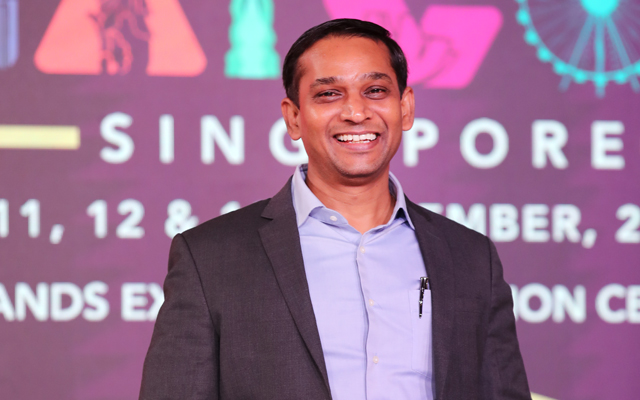
Could you outline the mission and core objectives of Confederation of Real Estate Developers’ Associations of India (CREDAI)?
Established in 1999, CREDAI is the apex body representing private real estate developers across the country. Serving as the voice of India’s organised real estate sector, CREDAI works closely with the government, policymakers, investors, and homebuyers to promote growth, transparency, and professionalism in the industry.
With over 13,000 developer members across 20 states and 230 city chapters, CREDAI is committed to driving ethical business practices, encouraging green and sustainable construction, and fostering skill development within the construction ecosystem.
The organisation also plays a vital role in advocating for policies that support housing for all and contribute to the vision of a Viksit Bharat 2047 (Developed India 2047), thereby strengthening the foundation for inclusive and sustainable urban development across India.
What are the key trends defining the Indian real estate sector, and what is your outlook for its future trajectory?
India’s real estate sector is entering a transformative phase, propelled by strategic policy reforms, technological advancements, and a renewed focus on sustainability.
The implementation of GST 2.0 has significantly reduced input costs particularly for cement, making housing more affordable and accelerating project timelines. This, along with RERA compliance, land reforms, and other government incentives, is improving transparency, boosting investor confidence, and streamlining project execution. Coupled with the government’s emphasis on green building practices, data-driven decision-making, and skilling initiatives, the sector is laying the foundation for a robust and inclusive real estate ecosystem.
With Tier Two and Three cities emerging as new growth centres, demand continuing to surge in the affordable and mid-segment housing markets, and diversified formats such as co-living, rental, and mixed-use developments gaining traction, the industry is poised to transition from volume-driven to value-driven growth, contributing to India’s vision of a Viksit Bharat 2047.
How is India’s rapid infrastructure expansion affecting the growth of secondary real estate markets?
Tier Two and Three cities in India are emerging as growth engines for the real estate sector, driven by rapid infrastructure development. Improved connectivity through highways, metro networks, regional airports, and railways is making these cities more accessible.
Enhanced infrastructure is driving commercial, retail, and mixed-use development, creating vibrant economic hubs that support property appreciation and employment growth. Lower land costs in these regions enable developers to deliver affordable and mid-segment housing, addressing the needs of the expanding urban population.
Additionally, better civic amenities, planned townships, and integrated urban development are improving the overall quality of life, further increasing demand. These factors, combined with rising investor confidence, are catalysing balanced urbanisation, inclusive growth, and long-term sustainability, positioning secondary markets as contributors to India’s real estate sector expansion.
How about hospitality companies showing interest in investing in the India real estate sector?
The growing interest of both domestic and international hospitality companies in India’s real estate sector is a positive development. Such investments boost urban development, enhance infrastructure, and stimulate demand across residential and commercial properties. Collaborations between developers and hospitality brands are creating integrated projects that cater to evolving urban lifestyles while attracting global investors.
Overall, this is driving responsible and inclusive growth, strengthening India’s real estate ecosystem.
How do you keep your members engaged and active?
We keep our members engaged by creating multiple avenues for learning, collaboration, and active participation. Through national and regional conferences, webinars, and training programmes, our members stay updated on industry trends, sustainability practices, technological innovations, and regulatory developments.
Various committees and policy advocacy initiatives enable them to actively contribute to shaping sector growth and reforms, while research insights and data analytics support informed decision-making. Recognition and participation in social and community projects further strengthen connections, foster professional growth, and build a sense of shared purpose.
How does CREDAI select its event destinations, and what were the highlights of hosting the 23rd NATCON (National Conference) in Singapore?
We choose destinations for our events based on their relevance to the themes and objectives of the convention, aiming to provide our members with insights into global best practices, innovative urban development, and sustainable growth models that can be adapted to India’s real estate sector. Each location is selected to offer an immersive experience that inspires and informs, fostering responsible and inclusive growth in the industry.
The latest edition of NATCON in Singapore was chosen for its reputation in visionary urban planning, technological integration, and global connectivity. Hosting the event there provided our members with an opportunity to learn from Singapore’s holistic approach to urban development, including commercial and residential growth models, collaborative policies, integrated planning, and innovation.
Attended by over 1,100 industry leaders, NATCON featured visionary speakers, policy influencers, and thought leaders who shared insights on emerging trends and strategic opportunities. Overall, the experience in Singapore was enriching, offering a platform for knowledge exchange, networking, and collaboration.
What is your association’s greatest challenge right now?
Our greatest challenge is fostering sustainable and inclusive growth in India’s real estate sector, ensuring that every homebuyer, investor, and worker feels part of this journey. This means addressing evolving buyer expectations, navigating regulatory complexities, and making housing accessible for all segments of society.
To meet these challenges, we are focusing on five key areas:
Affordable Housing Reform: Advocating for policy updates, such as revising the 4.5 million Indian rupees (US$51,090) cap, to make housing more realistic and attainable for people.
Skilling the workforce: Training and certifying over one million construction workers over the next five years, helping them grow professionally while raising industry standards.
Data-driven decision-making: Creating a robust analytics platform in collaboration with RERA and government bodies, so our members can make informed, confident decisions.
Sustainable development: Leading large-scale reforestation initiatives and promoting green building practices, because we believe the environment and our communities grow together.
Ease of doing business: Working with authorities to simplify approvals and improve transparency, making it easier for developers to deliver homes efficiently.
By focusing on these pillars, we aim to turn challenges into opportunities, building not just structures, but stronger communities, livelihoods, and a future-ready real estate sector that truly serves people.


